
Foreigners Will Rebuild Your Walls
By Howard Flower, ICEJ Aliyah Director
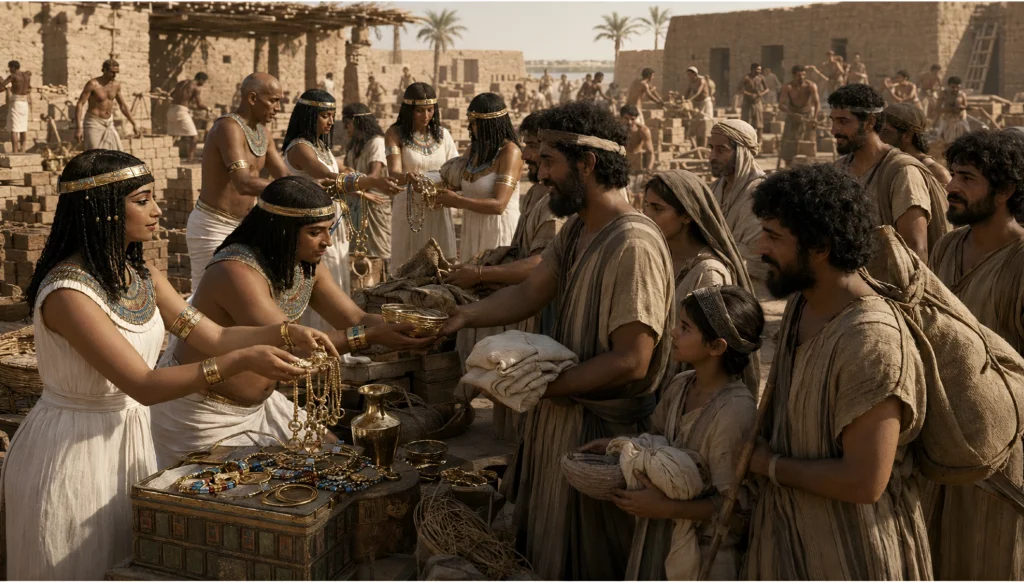
The exodus from Egypt was not just a departure. It was a divine transfer of wealth and embedded in that event was a promise that would echo across millennia. God told Abraham plainly that after 400 years of affliction, his descendants would “come away with great possessions” (Genesis 15:14). When the moment arrived, “the LORD had made the Egyptians favorably disposed toward the people, and they gave them what they asked for; so, they plundered the Egyptians” (Exodus 12:35–36). This was both justice for unpaid labor and provision for the construction of the Tabernacle, the dwelling place of God among His people.
What happened in Egypt, however, was only the first act. The pattern of God moving the hearts of Gentiles to supply, protect, and rebuild Israel runs throughout Scripture. This is not a closed chapter; it is a living, breathing mandate that directly calls to every Christian who takes the prophets seriously.
The Ancient Prophecies: Walls, Vineyards, and the Work of the Stranger
The same book that foretells a highway for the exiles also paints an intimate picture of the partnership between Israel and the nations in the process of restoration. The prophet Isaiah speaks across two consecutive chapters, sketching a picture of Gentile involvement that goes far beyond distant financial aid. It includes hands-on labor to rebuild and cultivate the land.
In Isaiah 60:10, God declares:
“Foreigners will rebuild your walls, and their kings will serve you. Though in anger I struck you, in favor I will show you compassion.”
The walls of a city represent security, identity, and a future. After seasons of war and destruction, when the breaches seem permanent, this verse promises that outsiders, people who were not part of the covenant family, will physically come to restore those broken fortifications. Older translations capture it vividly: “the sons of strangers shall build up thy walls.” The promise is not of passive blessing from afar, but of active, strengthening work.
Then, just a breath later, Isaiah 61:5 expands the vision beyond stone and mortar into the rhythms of daily life:
“Strangers will shepherd your flocks; foreigners will work your fields and vineyards.”
This prophecy shifts from urban defense to agricultural revival. Fields that have been burned, vineyards that have been uprooted by conflict, flocks scattered by danger: these are the wounds of war. God’s answer is to send “foreigners,” those once distant from Israel’s covenants, to shepherd, plow, plant, and harvest. This is the very key to Klita: (the Hebrew word for integration and absorption) of returning exiles into a land that needs to be rebuilt, and an economy that needs to flourish again.
These two verses are not separate promises; they are one prophetic vision. The same nations that bring the sons and daughters of Israel home on their shoulders (Isaiah 49:22) are also the ones who pick up the trowel and the shepherd’s staff to secure the land for them. This is Gentile partnership in its most concrete, loving form, meeting the physical and economic needs of a restored Israel.
Cyrus and the Pattern of Post-War Restoration
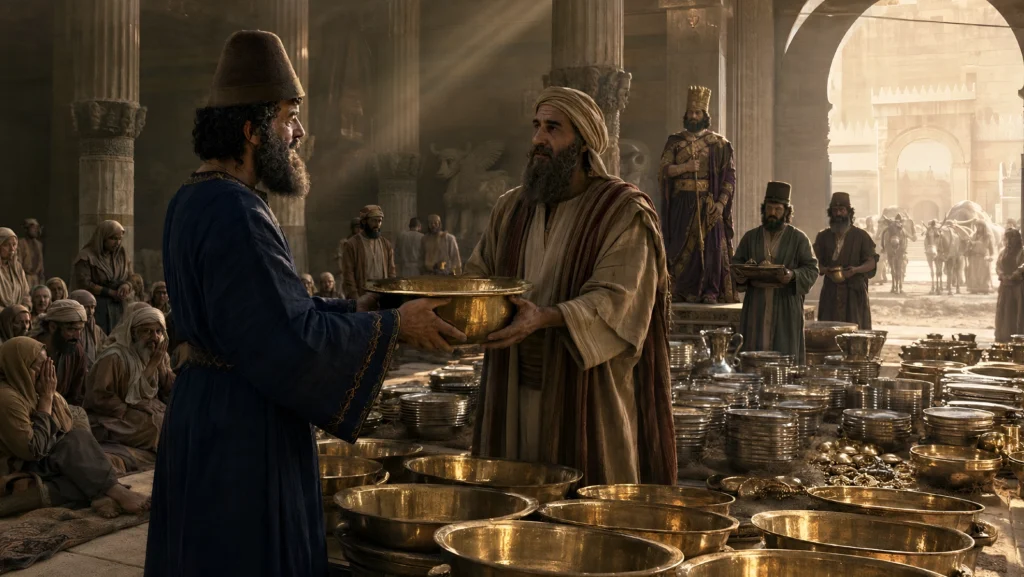
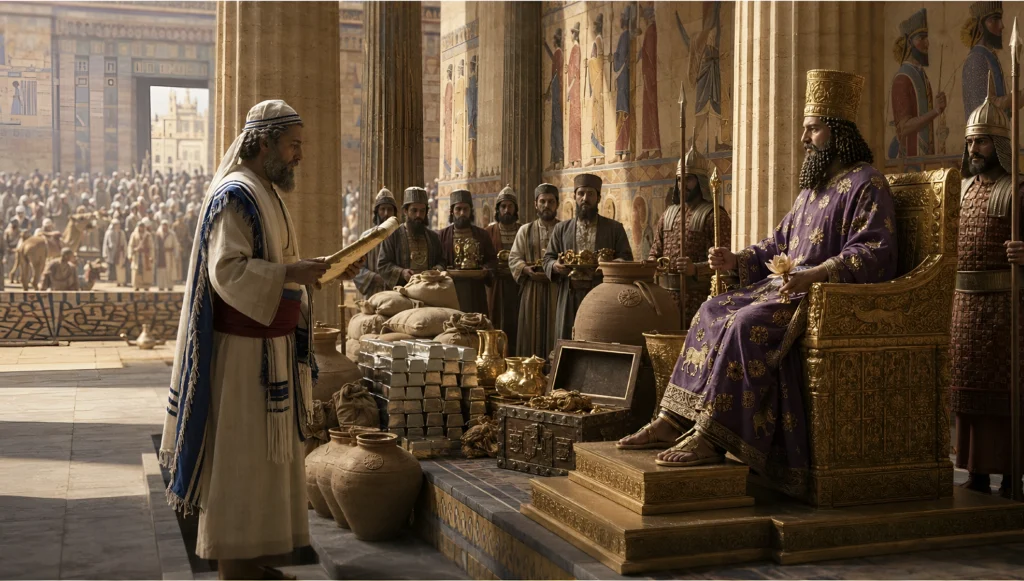
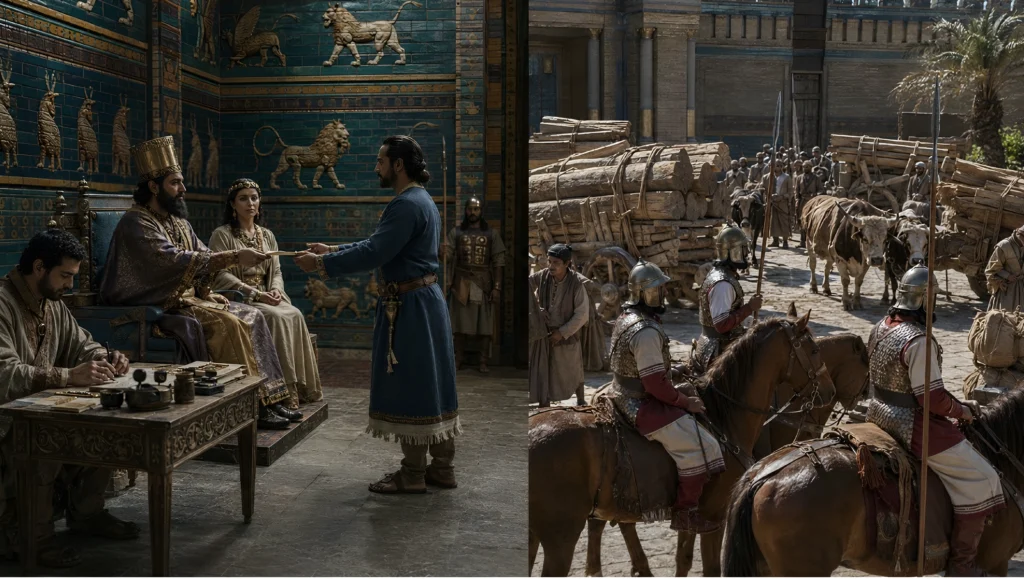
Centuries after Isaiah’s words were recorded, the pattern emerged with stunning clarity. Jerusalem’s walls lay in ruins, the Temple was a heap of ash, and the land was desolate after the Babylonian war. Then God stirred a Gentile king. “The LORD moved the heart of Cyrus king of Persia” (Ezra 1:1). Cyrus not only issued the decree for the Jews to return but returned the stolen temple vessels and commanded his subjects to support the returning exiles with silver, gold, goods, and cattle (Ezra 1:2–4, 7–11).
Cyrus’s edict was a post-war rebuilding command. The wealth he released mirrored the plundering of Egypt. The labor he funded foreshadowed the foreigners’ rebuilding walls and working vineyards. The Jewish people were not left to rebuild alone; God had already prepared “strangers” to be their partners.
The pattern Cyrus began stretched across nearly a century. Three separate waves of exiles returned to Jerusalem, each one carrying gifts placed in their hands by Persian kings.
Jesus’ Parable of the Gold Coins: A Sacred Trust for the Kingdom
The transfer of Egypt’s wealth and Cyrus’s release of treasure find their ultimate meaning in a parable Jesus told near the end of His earthly ministry. The disciples expected the kingdom of God to appear immediately, so He told them a story that explains what we are to do with the resources God entrusts to us while the King is away.
In Luke 19:12–13, Jesus says:
“A man of noble birth went to a distant country to have himself appointed king and then to return. So he called ten of his servants and gave them ten minas. ‘Put this money to work,’ he said, ‘until I come back.’”
A mina was a gold coin worth about three months’ wages, a substantial trust. The nobleman represents Jesus, who has ascended to heaven to receive His kingdom and will one day return. The gold coins are the wealth, talents, time, and influence He has distributed to His servants. The command is clear: do business with what I have given you until I return.
The faithful servants invested their minas and gained more. To them, the returning King declared: “Well done, good servant! Because you have been faithful in a very little, have authority over ten cities” (Luke 19:17). One servant, however, hid his coin in a cloth, doing nothing with it. His mina was taken away and given to the one who had multiplied his ten. Jesus concludes with an admonition: the resources of the kingdom will be entrusted to those who will put them to work.
Now see how this parable illuminates God’s call upon Gentile believers today. The same God who gave Egypt’s gold to Israel for the Tabernacle, and who moved Cyrus to finance the Temple’s rebuilding, has placed His gold coins in our hands. Our finances, our influence, our ability to work with our hands: these are the minas of the Master. And He has made clear through His prophets how we are to invest them, by bringing His ancient people home and helping them rebuild their land.
When you finance an Aliyah flight for a Jewish family fleeing persecution, you are putting the Master’s gold to work. When you volunteer on an Israeli farm after conflict has left fields unharvested, you are fulfilling Isaiah’s prophecy of strangers working the vineyards. When you help rebuild homes and security walls in border communities shattered by war, you are the “foreigner” of Isaiah 60:10. Each act of support for Klita (language classes, job training, resettlement aid) is an investment of the King’s minas that will bear eternal returns.
The parable reminds us that the King is returning, and He will examine what we have done with what He gave us. Those who hid their resources out of fear or indifference will face loss, but those who invested them in the prophetic restoration of Israel will hear, “Well done, good servant.” The reward is astonishing: authority over cities, a share in the governance of the coming kingdom, a partnership with the returning King who will reign from Jerusalem.
The Living Fulfillment Today: Aliyah and Klita After Conflict
Now, once again, Israel is a land that has known war and must be rebuilt and replanted. For modern believers who long to see the Scriptures fulfilled, the return of the Jewish people to their ancient homeland is not just a political event. It is prophecy in motion. And the prophets, confirmed by Jesus’ own parable, have already told us what our role is meant to be.
Aliyah (the immigration of Jews to Israel) is the modern Exodus, God calling His people from the four corners of the earth. Christian organizations like the International Christian Embassy Jerusalem (ICEJ) have already helped bring over 193,000 Jewish people home, arranging hundreds of flights every year from France, Russian speaking countries, Northeast India, Ethiopia, and beyond.
But the plane ticket is only the beginning. That is where Klita begins: the painstaking, beautiful work of integration. A family who escapes persecution in Ukraine or rising antisemitism in Europe arrives with little more than suitcases. They need housing, language instruction, employment, and a community to welcome them. And the land itself needs their hands, and ours.
The prophecies of Isaiah 60 and 61 now come into sharp focus. To “rebuild your walls” today means helping border communities devastated by rocket attacks to reconstruct homes and security fences. It means volunteering on Israeli farms when workers are called to military service, literally fulfilling the words that foreigners will work Israel’s fields and vineyards. The ICEJ and the International Fellowship of Christians and Jews (IFCJ) are already doing this, funding resettlement programs and agricultural relief, but the need is vast and ongoing.
A single Christian donor recently funded immigration flights for 50 British Jews, the largest such group in 15 years, and many more have given to replace vineyards destroyed by arson kites. These are not random acts of charity; they are the “strangers” and “foreigners” of Isaiah’s vision stepping into their ancient calling, putting the Master’s gold coins to work in the most strategic investment on earth.
A Call to the Body of Christ
Brothers and sisters, you live in a sacred moment. The God who promised Abraham that his children would leave slavery with great wealth is the same God who has pledged that in the latter days, “foreigners will rebuild your walls” and “work your fields and vineyards.” And the King who ascended has placed gold coins in your hands, with a clear command: “Do business till I come.”
He is not asking for distant prayer alone. He is inviting you to be the answer to those ancient words. When you support Aliyah, you are lifting up a banner to the peoples, carrying the sons and daughters of Israel home. When you support Klita, you are standing beside the returning exiles with mortar and seed, ensuring that the land promised to Abraham once again flourishes under the care of those who love God’s covenant. Every dollar given, every hour volunteered, every voice raised in advocacy is a mina invested in the kingdom work that will be rewarded when the King returns.
The Exodus story, the Cyrus decree, the Isaiah prophecies, and Jesus’ own parable all testify to one truth: God uses the wealth and the hands of the Gentiles to restore Israel after judgment and war, and He holds us accountable for how we steward that trust. In our day, as Israel absorbs thousands of immigrants and rebuilds its scarred communities, the call is unmistakable. Will you be the foreigner who rebuilds the wall? Will you be the stranger who shepherds the flock and tends the vineyard? Will you be the faithful servant who puts the Master’s gold to work until He returns?
Let your faith move beyond admiration of prophecy and into the joy of its fulfillment. Pray for the peace of Jerusalem. Give to those who are bringing the exiles home and helping them stay. Go, if the Lord calls, and serve with your own hands. For when you do, you will witness with your own eyes that the God who took Israel out of Egypt with silver and gold is still, in our time, marshalling the compassion of the nations to rebuild His people’s land, and He will reward every act of faithfulness when He comes to reign.