Credited Author : ICEJ USA

Iran in the Bible

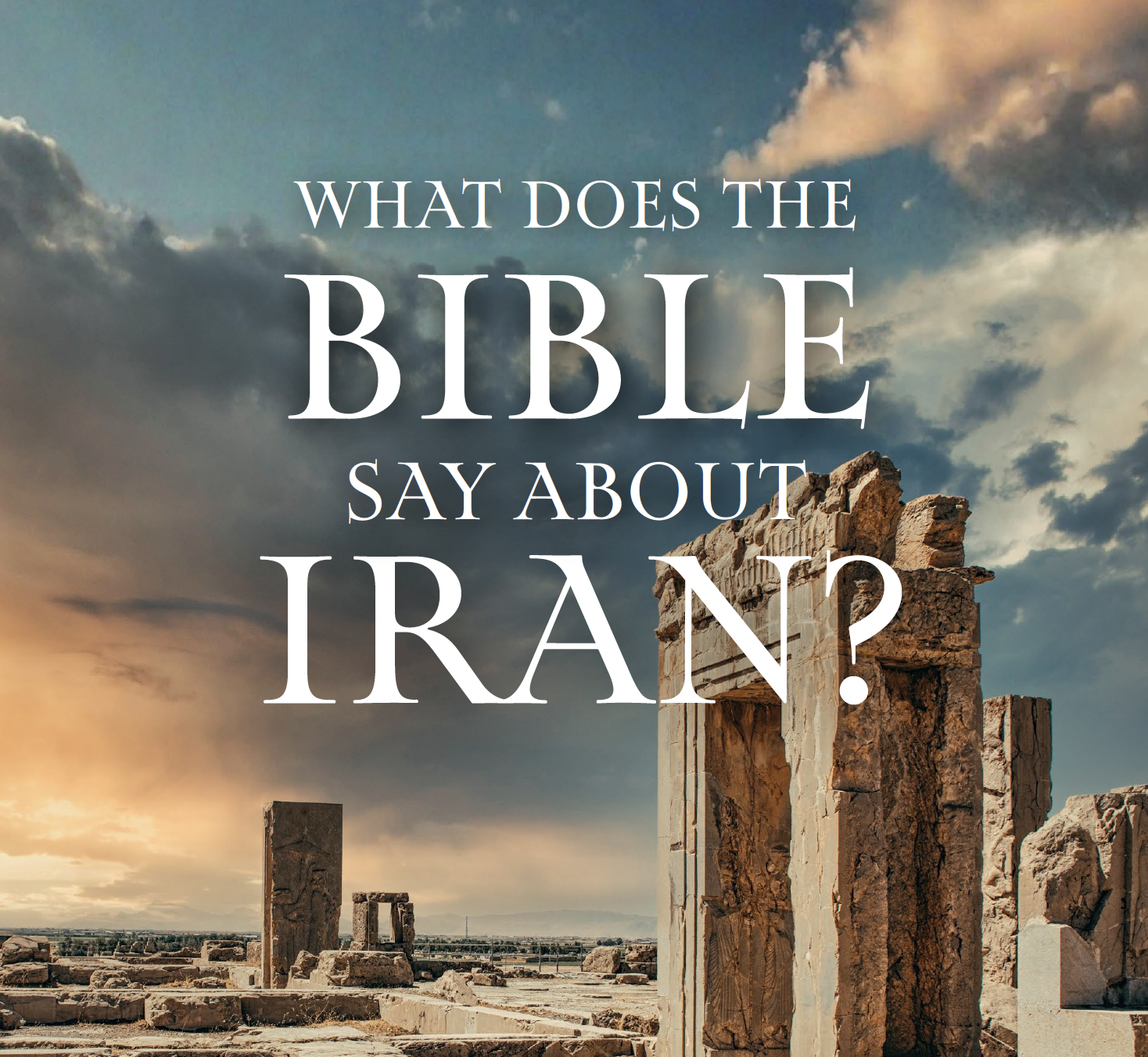
As tensions between Iran, Israel, and the United States dominate today’s headlines, many are wondering: Does the Bible say anything about Iran? The answer is yes, although it may not be immediately apparent, as Iran is referred to throughout Scripture by its original and ancient names—mainly Elam, but later, Persia/Medo-Persia. Here are eight places in the Bible you can find references to what is now Iran.

Iran in the Bible Genesis

GENESIS

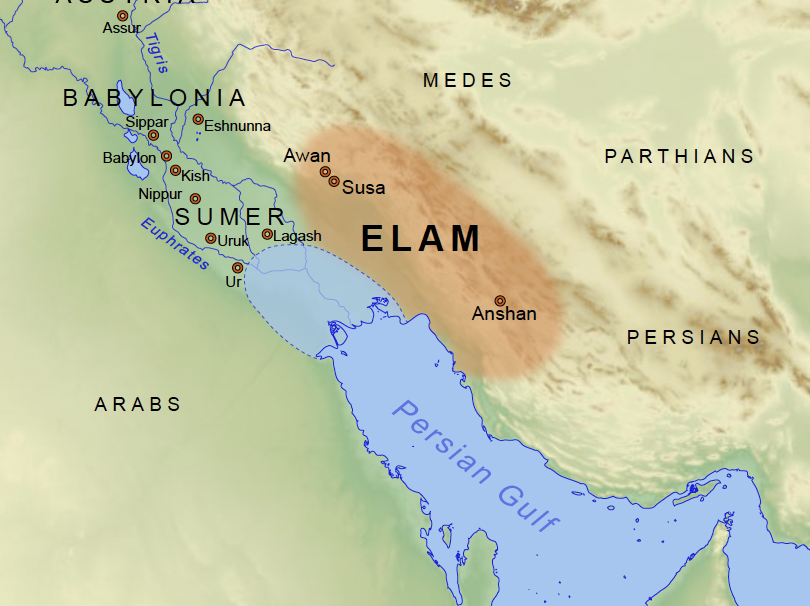
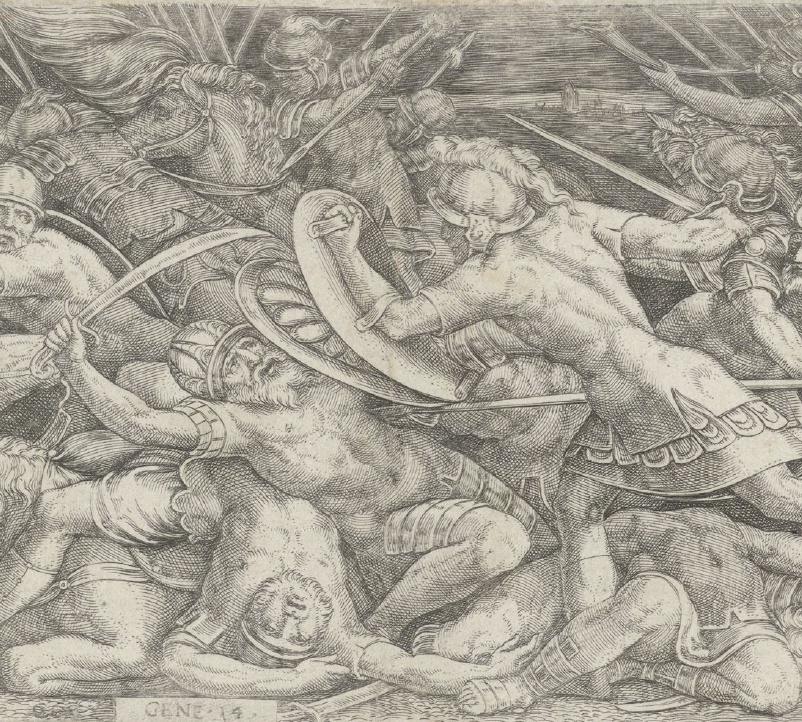
Genesis 10:22 identifies Elam as a son of Shem, marking the Elamites as descendants of Noah through the Semitic line as was Abraham. Elam reappears in Genesis 14:1 with “Kedorlaomer, king of Elam,” who leads a coalition of four kings in battle against five cities in the Jordan Valley. This conflict draws Abraham into the biblical spotlight as his nephew Lot is taken captive—setting the stage for a bold rescue and Abraham’s rise as a warrior of faith. The Elamites lived in what today is southwestern Iran.

ISAIAH

Somewhere around the 722 BC exile of the northern kingdom of Israel by Assyria, Isaiah lists Elam among the nations from which God will gather His scattered people in the end times: “On that day that the Lord will again recover with His hand the second time the remnant of His people who will remain, from Assyria, Egypt, Pathros, Cush, Elam, Shinar, Hamath, And from the islands of the sea” (Isaiah 11:11). This verse describes a return of the Jewish people from the north, south, east and west such as happened in modern times.

Iran in the Bible Jeremiah

JEREMIAH

In Jeremiah 49:34–39, the prophet foretells both judgment and hope concerning Elam. These verses were probably written around the time of the 586 BC destruction of Jerusalem and exile of the Jewish people by Babylon, but they point to end times. The prophet wrote that God will bring judgment and “break the bow of Elam,” alluding to the Elamites’ famed archery and military strength, and will cause their scattering throughout the world. It then describes the destruction of their leadership and a very curious verse where God promises to establish “My throne” in Elam. Yet despite this judgment, the passage ends with a promise: “‘But it shall come to pass in the latter days: I will bring back the captives of Elam,’ says the Lord.”

Iran in the Bible Ezekiel

EZEKIEL

Persia’s prophetic role is especially evident in Ezekiel 38–39, where Ezekiel lists it among the nations allied with Gog in a prophesied end-times assault on Israel: “I will bring you out, and all your army . . . Persia (Paras in Hebrew), Ethiopia, and Libya with them; all of them with shield and helmet; Gomer and all his hordes; Beth-togarmah from the uttermost parts of the north with all his hordes—many peoples are with you” (38:5–6). Many scholars interpret this as a future geopolitical coalition, with modern nations often charted to the ancient names listed alongside Persia.

DANIEL

Persia is mentioned in many places in the book of Daniel. In Daniel 5:28, the famous “writing on the wall” foretells that the Medes and Persians would overpower Babylon (then ruled by Belshazzar), which happened in 539 BC. Daniel 6 refers to “the law of the Medes and Persians.” Daniel also describes a dream (or vision) that he had in approximately 553 BC in Daniel 7. In the dream, he sees a chaotic sea that represents the nations of the world in chaos. Out of this sea come four “beasts,” symbolizing four Gentile empires. The second beast—a bear—represents the Medo-Persian Empire. (Media was a dominant kingdom before Persia. For a time, the Medes and the Persians were one united great power, Medo-Persia, but eventually, Persia ruled Media). The bear had three ribs in its mouth that some Bible scholars say likely represent Libya, Babylon, and Egypt, indicating the “bear” would rule over those nations. Notably, under the Persian King Cyrus, God used the Medo-Persian Empire to defeat Babylon and end the Jews’ 70-year exile. Daniel 8 records Daniel’s vision of a ram and a goat, symbolizing the Persian Empire’s rise and eventual fall, offering more detail than the earlier dream. Later visions in Daniel 10 and 11—during Cyrus’ reign—depict a heavenly battle and mention future Persian kings (10:13, 20; 11:2).

Iran in the Bible Ezra and Nehemiah

EZRA AND NEHEMIAH

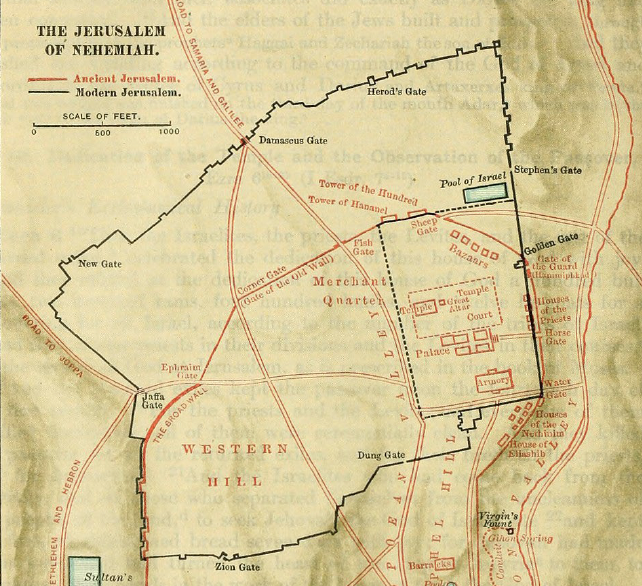
The books of Ezra and Nehemiah are set entirely under Persian rule, mentioning Cyrus the Great (Ezra 1:1–4), Darius 1 (Ezra 6:1–15), and Artaxerxes (Ezra 7:1–28)—all Persian kings reigning from approximately 525 BC to 425 BC. King Cyrus allowed the exiled Jews to return from Babylon to rebuild the temple; King Artaxerxes commissioned Ezra to establish Torah among the returning exiles and Nehemiah to rebuild Jerusalem’s walls (Ezra 7:11–26; Nehemiah 2:1–6). The kindness of these Persian rulers resulted in the return of the exiles and rebuilding of Jerusalem, which were a fulfillment of prophecy.

Iran in the Bible Esther

ESTHER

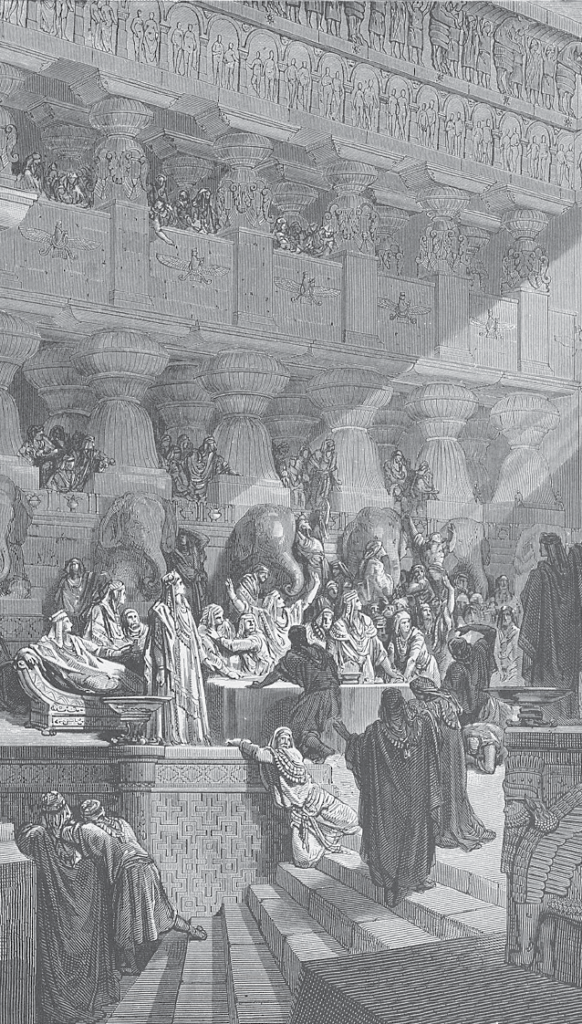
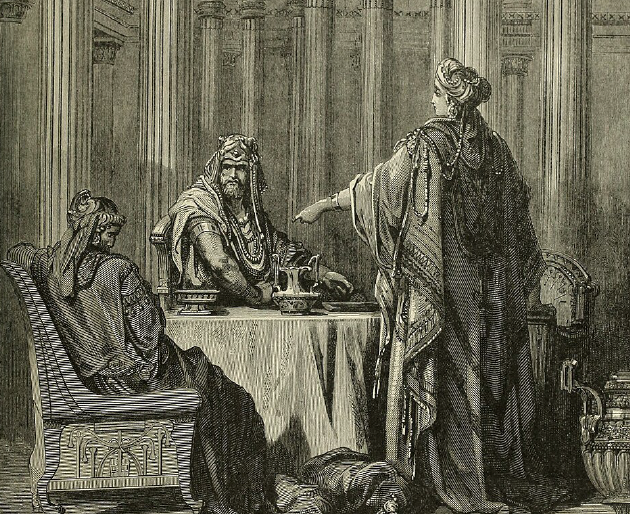
The book of Esther is set during a similar period as Ezra and Nehemiah during the reign of Ahasuerus, when the Persian Empire stretched from India to Ethiopia. The vast majority of Jews in the world lived in the empire, so the threat of their annihilation was existential. The story takes place in Persia, specifically in the Persian capital, Susa (Shushan) (Esther 1:2; 2:3; 5:1). The story of Esther offers a dramatic glimpse into palace intrigue and an attempted genocide of the Jewish people—only to be met with divine deliverance, echoing patterns we see today.

Iran in the Bible Acts

ACTS

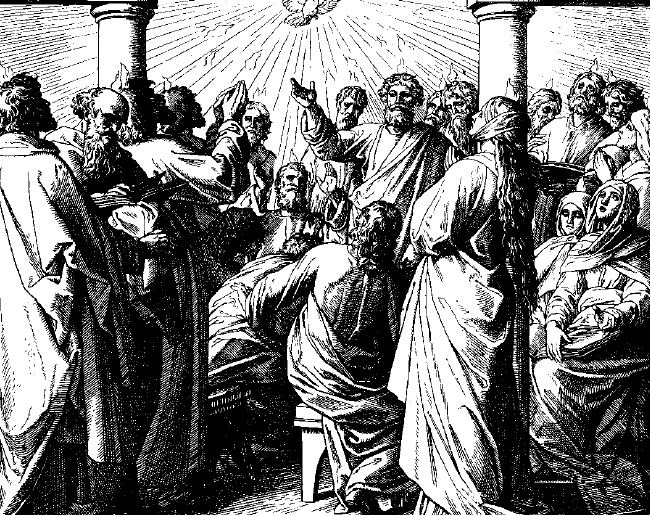
In the New Testament, people from Iran are mentioned indirectly in Acts 2:9. It says that “Parthians, Medes, and Elamites” were in Jerusalem on the feast of Shavuot (Pentecost). These were Jewish groups living in what was once ancient Elam/Persia (now modern-day Iran) who were in Jerusalem for Shavuot and thus witnessed the beginning of the Christian church. Jews had been living in the area of ancient Iran for hundreds of years by the time of Acts 2. These were well-established communities represented in Jerusalem for the holiday of Shavuot.

Conclusion

Altogether, these Scriptures underscore Persia’s (Iran’s) significant and continuing role in God’s unfolding redemptive plan— past, present, and future.

Share this post

Featured Posts

What is Christian Zionism ICEJ Australia

What is Christian Zionism?

The term “Zionism” has been turned into a negative word by Israel’s enemies, “Christian Zionism” is also under attack and often misrepresented in the media and in much public discourse.
Read More »
The Restoration of Israel ICEJ Australia

The Restoration of Israel

Israel today is a remarkable country. Yet the land of Israel was not always so fruitful. God promised that one day He would come and find His people, no matter how far they had been scattered, and return them to the land promised to Abraham and his descendants as an “everlasting possession.”

Read More »

Contact ICEJ Australia

Complete the form below to contact ICEJ Australia. We look forward to hearing from you.

Type of enqury

Feast of Tabernacles 2024

Expressions of Interest

Please enter your details below to register your interest for our Australian Feast of Tabernacles 2024 Tour. We will be in touch when registrations are open.