A forgotten people

By Nativia Bühler

Like Romani Gypsies, the Domari people have been known historically as traveling musicians and dancers, with their own language, beliefs, and traditions. Their nomadic origins trace back to India. They have historically faced discrimination and social exclusion across the Middle East, including in Israel. Most Domari living in Israel today have converted to a diluted form of either Christianity or Islam, but their historical roots still differentiate Domari beliefs and culture. For this reason, they are not embraced as “Palestinian”, nor are they accepted in Jewish Israeli culture. The Domari have “fallen between the chairs” as the Hebrew saying goes.

Most Domari in Israel reside in eastern Jerusalem. Their population is estimated to be a few thousand. However, exact numbers are unclear due to their integration into Arab society and lack of formal recognition as a distinct ethnic minority.

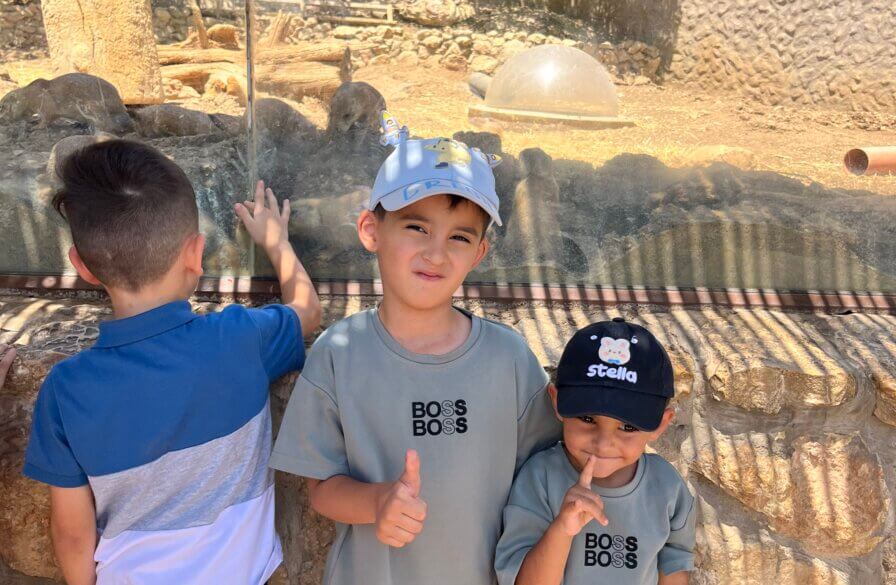
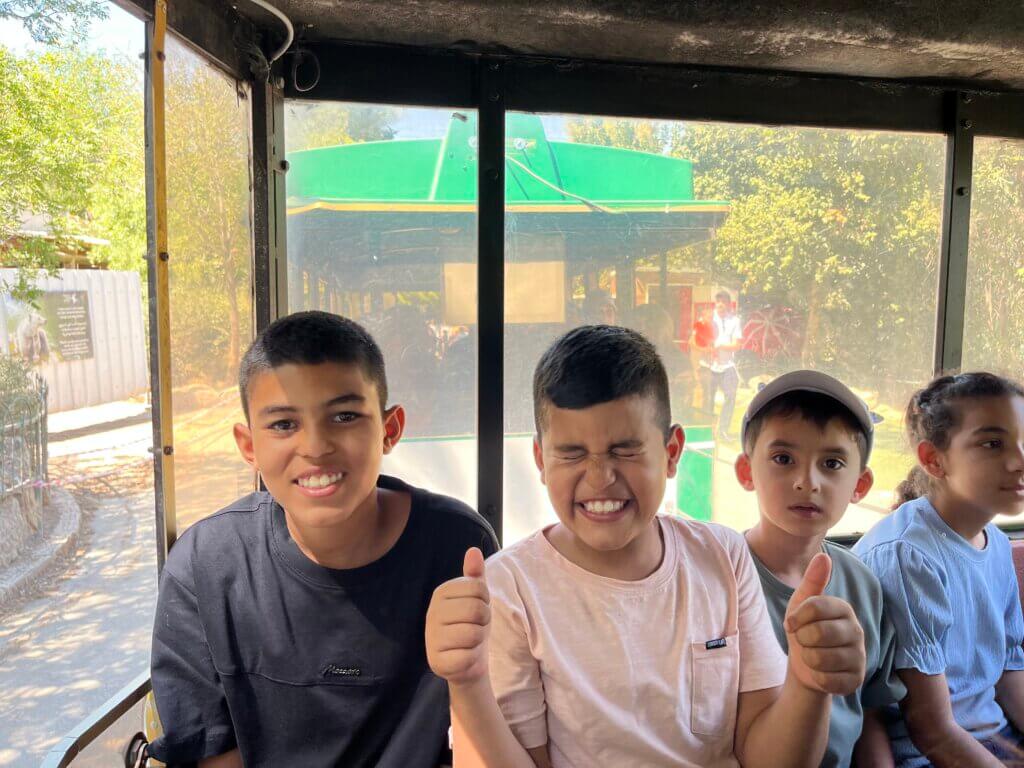
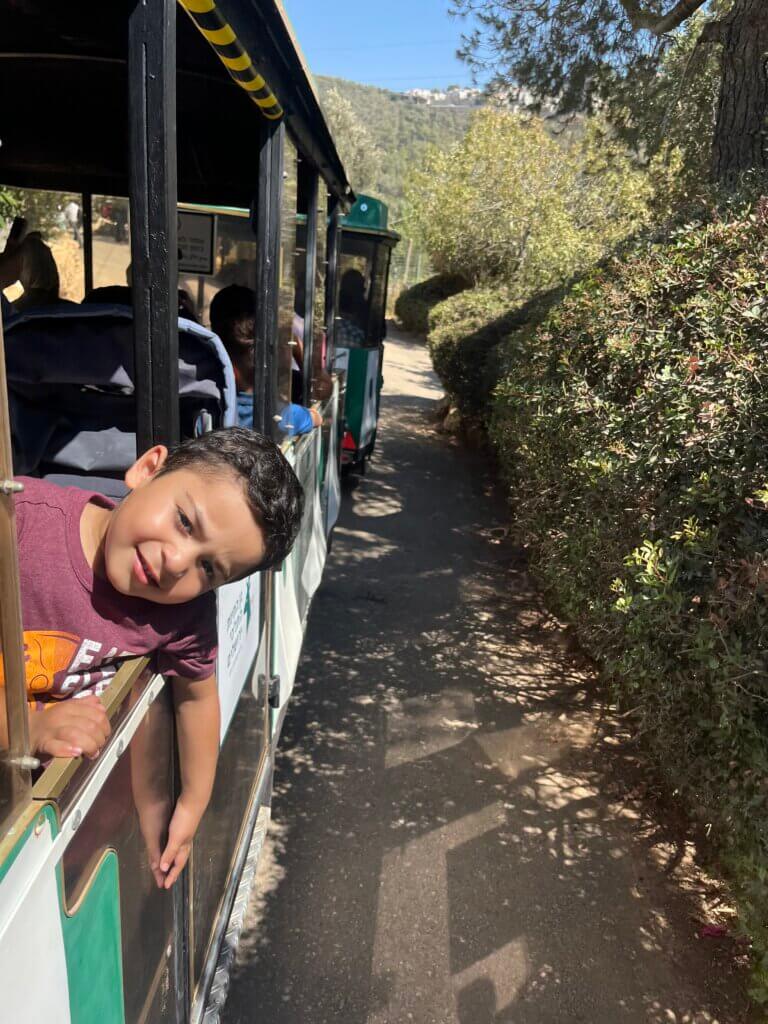
For the Domari community in Israel, daily life often means poverty, exclusion and invisibility. Yet last summer, thanks to ICEJ, Domari children and parents experienced a day filled with joy and dignity — a visit to the Jerusalem Biblical Zoo.

The day began in eastern Jerusalem, where families gathered in excitement. A bus took them to the zoo, and the adventure started with a simple breakfast before the children raced off to explore. Six-year-old Hazem summed up the day.

“This is the best day of my life,” he exclaimed. “I saw my favourite animals in real life!”

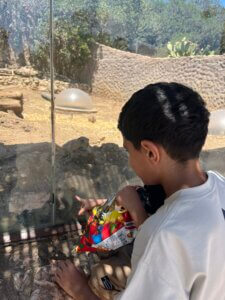
For children who had only heard about lions, elephants, or giraffes, seeing them up close was almost unbelievable. Their excitement was contagious, as they overwhelmed the adults with pleadings of “What’s next? What’s its name? What does it eat?”

Domari children are enjoying their day out at the Jerusalem Biblical Zoo.

Touched to see their children so full of joy, the parents admitted they could never have afforded such an experience without outside help. One mother whispered, “We are often invisible. Today, my children felt seen.”

To a community that has felt neglected, gifts like this deliver a powerful message that they are recognised, valued and not forgotten. 

The Domari community faces significant challenges, including statelessness, poverty and social exclusion. High unemployment rates – due to discrimination, stereotypes and limited education – force many into menial labour, street vending or begging. Education barriers further limit their opportunities, as many Domari children drop out of school early due to financial struggles. 

Breaking the Cycle of Poverty

Unlike other minority groups in Israel, they have almost no political representation or formal recognition, and very few NGOs advocate for their rights. One key organisation, the Domari Society of Gypsies in Jerusalem, works to empower the community. With Christian help, the Domari women learn Hebrew and job skills, which directly leads to employment and independence. Education and skills training are key to breaking the cycle of poverty, and with the proper support the Domari people can work toward economic independence and social inclusion. 

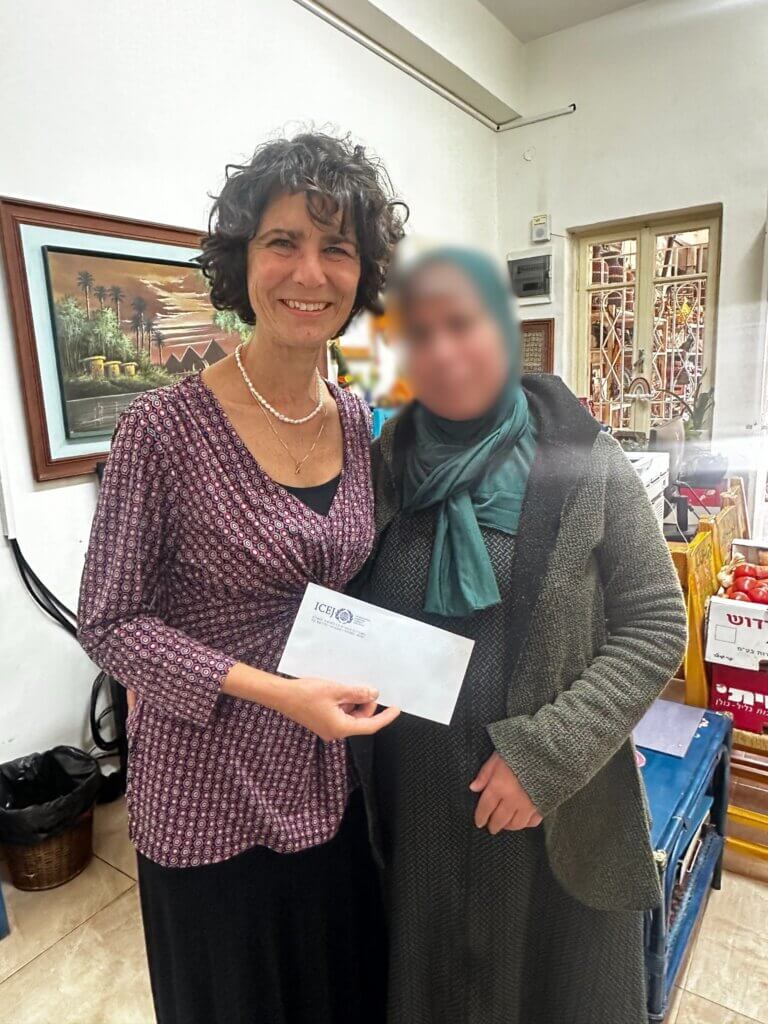
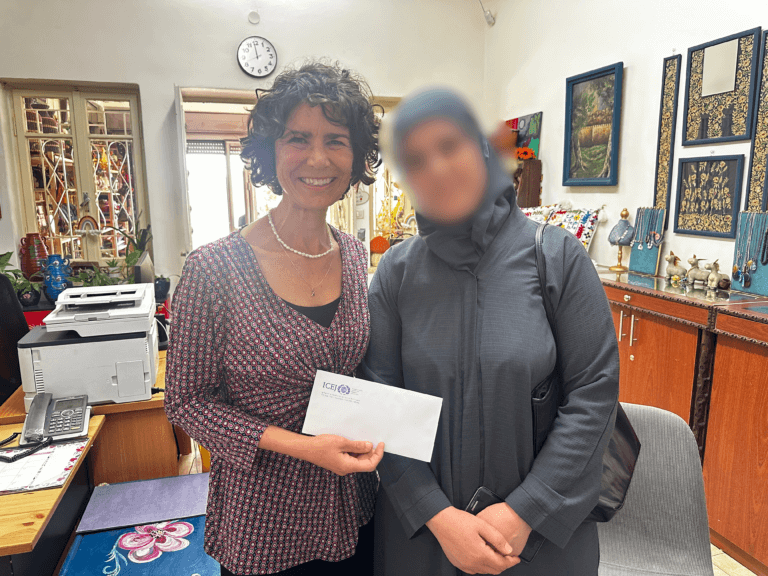
ICEJ supported Domari community members with gift vouchers earlier this year.

Amoun Sleem, the founder of the Domari Society, expressed deep gratitude to the ICEJ and Christians around the world who have supported their community, donating toward projects large and small, like the zoo visit.

“When I started this work 25 years ago, our children had no dreams for their future,” Amoun explained during a recent ICEJ visit. “Today, the ones who grew up in our programs are engineers, nurses and professionals with goals and ambitions. They are so goal-oriented and have truly shifted their perspectives. This is what empowerment looks like.”

“Your support has been a lifeline for our community,” Amoun added. “You are not just giving aid, you are giving hope, dignity, and the opportunity for a better future. Every coupon given, class taught, and every skill learned is a step toward breaking the cycle of poverty. For years, we felt invisible, but thanks to you, we now know we are not alone. You have stood with us, believed in us, and given us the strength to keep going.”

Every child who learns, every woman who gains a skill, and every family who finds stability is proof that change is possible, impacting not only their lives but generations to come.Thank you for supporting the ICEJ’s “Future and Hope” initiatives, which aim to impact all segments of Israeli society.

Photos: Courtesy of the Domari Society 

Share this post

Featured Posts

What is Christian Zionism ICEJ Australia

What is Christian Zionism?

The term “Zionism” has been turned into a negative word by Israel’s enemies, “Christian Zionism” is also under attack and often misrepresented in the media and in much public discourse.
Read More »
The Restoration of Israel ICEJ Australia

The Restoration of Israel

Israel today is a remarkable country. Yet the land of Israel was not always so fruitful. God promised that one day He would come and find His people, no matter how far they had been scattered, and return them to the land promised to Abraham and his descendants as an “everlasting possession.”

Read More »

Contact ICEJ Australia

Complete the form below to contact ICEJ Australia. We look forward to hearing from you.

Type of enqury

Feast of Tabernacles 2024

Expressions of Interest

Please enter your details below to register your interest for our Australian Feast of Tabernacles 2024 Tour. We will be in touch when registrations are open.