ICEJ turning ancient prophecy into present reality! One flight, one family, one miracle at a time.
Written by Howard Flower ICEJ Aliyah director
In the ancient texts of the Hebrew prophets, a powerful and recurring vision emerges: a divine “Highway to Zion.” This is not merely a physical road but a supernatural pathway forged by God Himself to gather His scattered people from the ends of the earth. As detailed in the scriptures, this highway is a place of holiness, joy, and redemption, a route prepared for the ransomed of the Lord to return home. Today, amidst war, poverty, and geopolitical chaos, the International Christian Embassy Jerusalem (ICEJ) is witnessing and actively participating in the literal fulfillment of these prophecies through its work with the Ethiopian Jewish community and the Bnei Menashe of India.
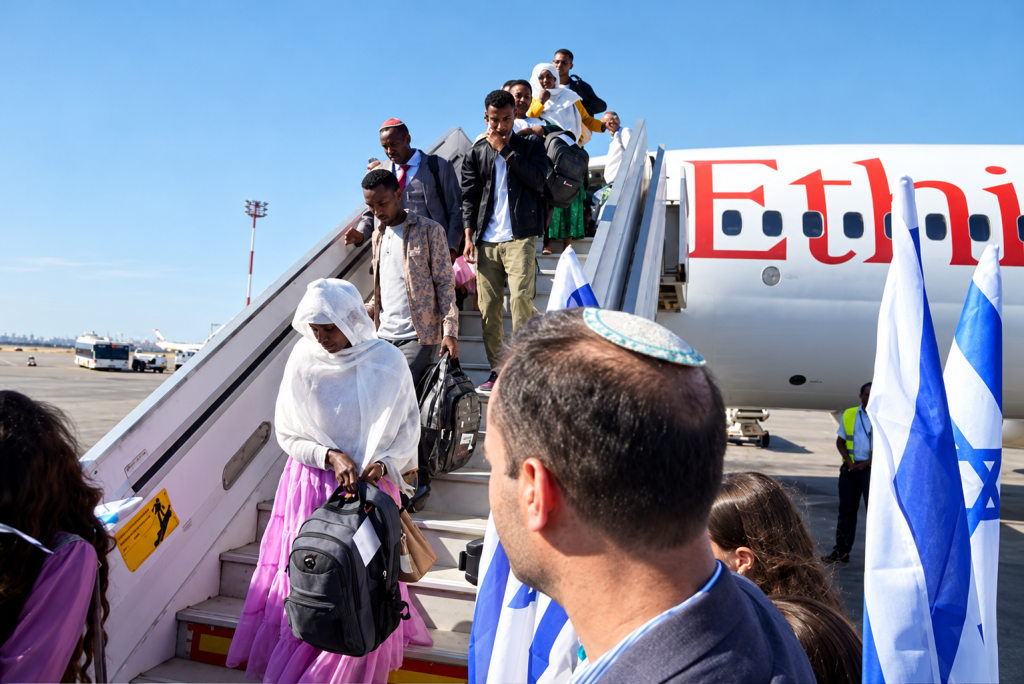
The prophetic blueprint is clear. Isaiah 35:8-10 describes this very road:
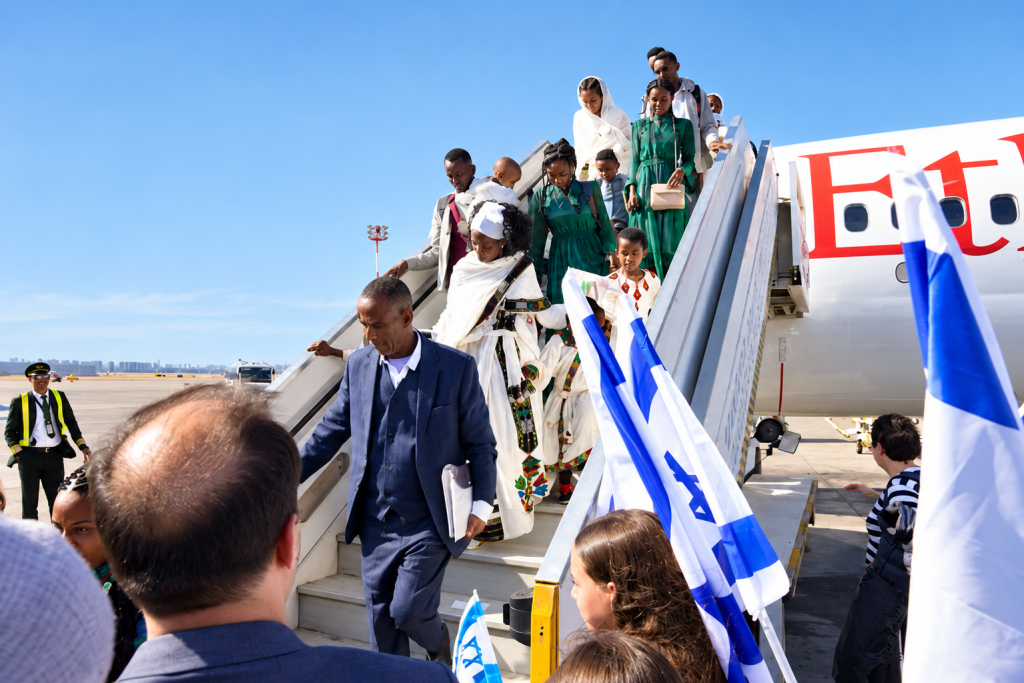
This isn’t a metaphor for a spiritual journey alone; it is a promise of physical restoration. Isaiah 11:11-12 reinforces this, speaking of a “second time” God will recover His people from specific lands, a list that notably includes Cush—modern-day Ethiopia. The prophet declares, “And there will be a highway from Assyria for the remnant that remains of his people, as there was for Israel when they came up from the land of Egypt.” This ancient promise is finding its modern echo in the roar of jet engines and the tears of joyful reunions at Ben-Gurion Airport.
The Return from Ethiopia: A Modern-Day Exodus
The ICEJ’s work in Ethiopia reads like a chapter from the book of Isaiah unfolding in real-time. As conflict reignites in the Tigray and Amhara regions, the urgency of this prophetic calling is stark. The text describes a humanitarian emergency: families in “waiting areas” facing extreme poverty and violence, with one ICEJ report noting a 92-year-old grandfather who finally landed in Israel, and a 62-year-old man erased from a memorial for the dead after a 38-year ordeal through Sudan.
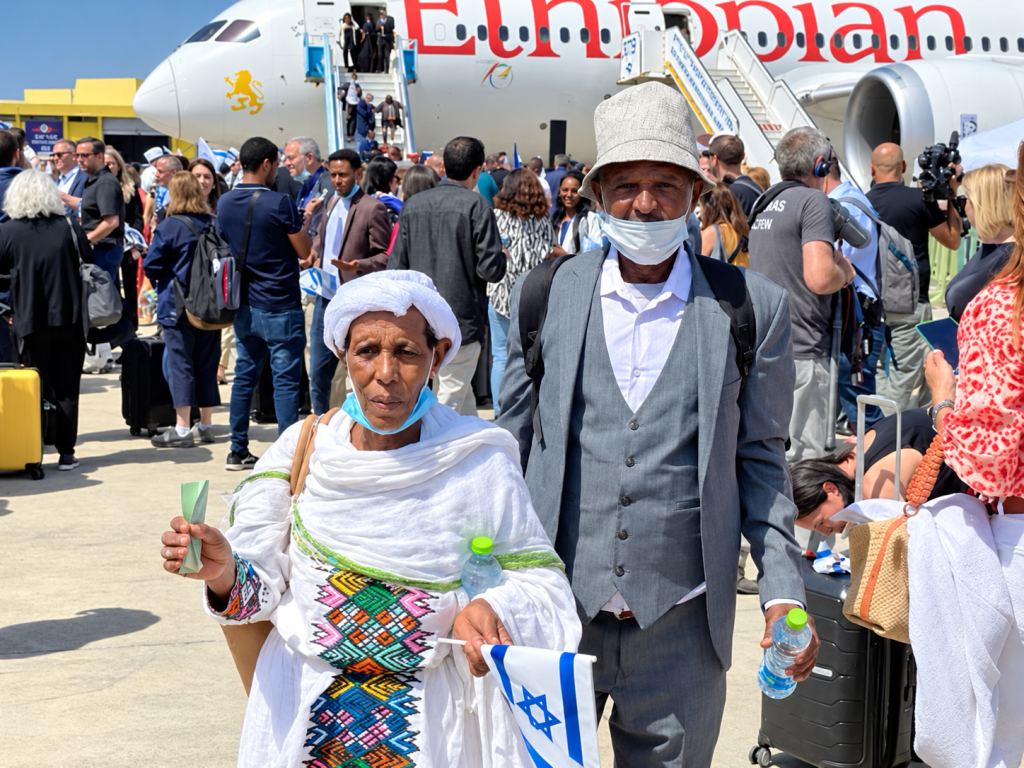
This miraculous rescue is the very essence of Isaiah’s prophecy. Zephaniah 3:10 pinpoints the geography of this divine operation:“From beyond the rivers of Ethiopia my suppliants, even the daughter of my dispersed, shall bring mine offering.” The journey of these Ethiopian Jews, often born of suffering and survival, is presented in scripture as an offering to God. The 92-year-old grandfather who waited a lifetime to reach the Promised Land is not just an immigrant; he is a suppliant traversing the “Way of Holiness,” his arrival a testament to God’s covenant faithfulness. The man who survived abduction and a false identity to be reunited with his family embodies the “ransomed of the LORD” returning with joy, his name literally removed from the memorial of the dead.
For the thousands still waiting in the mud homes of Gondar, the highway is not yet complete. Isaiah 62:10 commands, “Go through, go through the gates; prepare ye the way of the people; cast up, cast up the highway; gather out the stones.”
The ICEJ’s advocacy, its sponsored flights, and its provision of aid are modern-day acts of “gathering out the stones”—clearing the logistical, political, and financial debris that blocks the path home for God’s people.
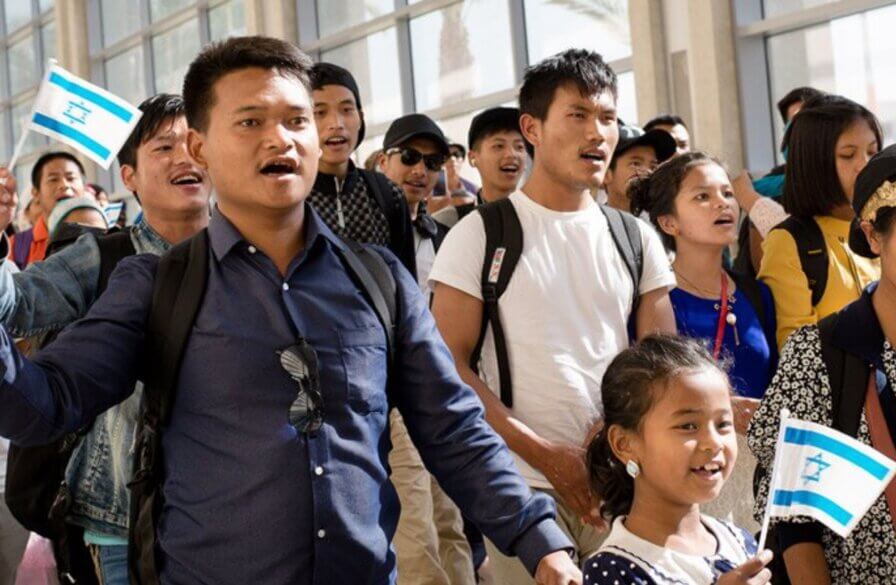
Caught in a brutal three-way ethnic conflict, the Bnei Menashe have seen their synagogues burned and their community displaced. Yet, they represent one of the most remarkable fulfillments of prophetic return. The text paints a vivid picture: these descendants of the tribe of Manasseh, once converted to Christianity, have returned to the faith of their ancestors and now boast the highest IDF enlistment rate of any demographic in Israel.
The “highway” for the Bnei Menashe is not just a flight path from Imphal to Tel Aviv; it is a transformation from a persecuted minority to defenders of the Jewish state. Their Aliyah, facilitated in part by ICEJ-sponsored charter flights, is a direct answer to the call of Isaiah 62:10 to “lift up a standard for the people.” The 99% enlistment rate of their men is a powerful symbol of a people who have been gathered from the “mountains” and have taken up the banner of Zion. The sacrifice of soldiers like Staff Sgt. Geri Gideon Hanghal and Staff Sgt. Gary Lalhruaikima Zolat, killed defending their ancient homeland, demonstrates that their journey on this highway is one of total commitment.
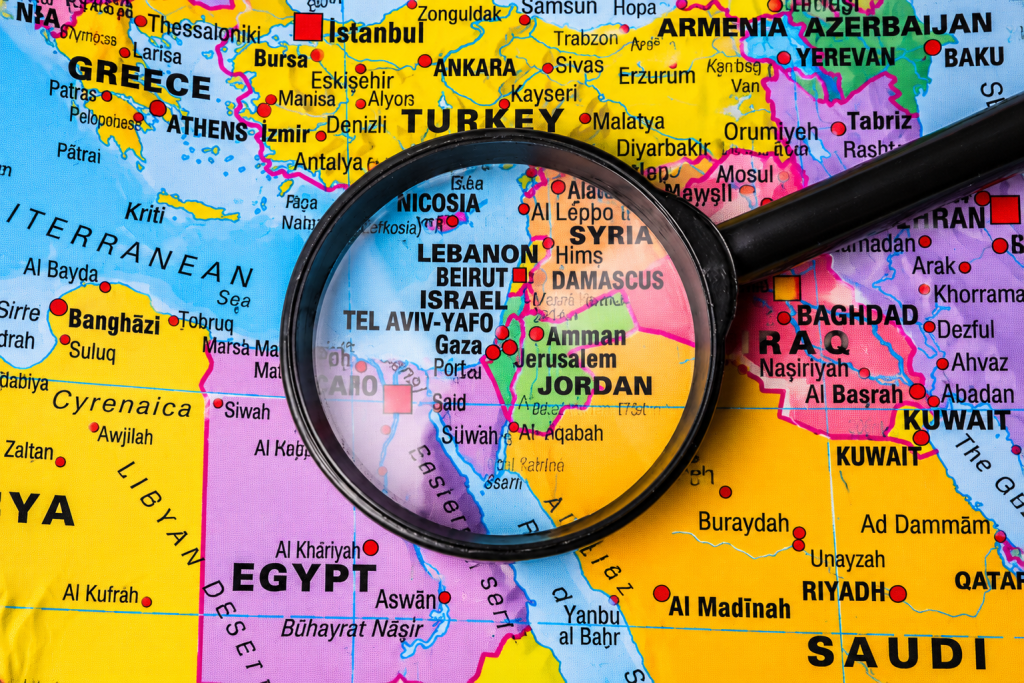
Their story is the “New Exodus” theme of Isaiah 11 played out in the 21st century. Just as God promised to recover the remnant of His people and unify them, the Bnei Menashe are being gathered from a land of turmoil to a land of purpose. The ICEJ’s support for these flights is an active participation in building this “highway” across continents, connecting the hills of Northeast India to the heart of Judea.
The work of the ICEJ with the Ethiopian Aliyah and the Bnei Menashe is more than humanitarian relief; it is prophetic partnership. It is the recognition that the promises of Isaiah, Zephaniah, and the Psalmist are not dusty relics of history but living words being fulfilled before our eyes. The tears of a 92-year-old grandfather landing in Israel are the “everlasting joy” of Isaiah 35. The dedication of a Bnei Menashe soldier is the “offering” of Zephaniah 3:10.
Yet the work is unfinished. The text reveals a sobering reality: over 1,200 Ethiopian Jews are approved for Aliyah but remain stranded, their path blocked by political inertia. The Bnei Menashe community is only partially relocated, with thousands still in harm’s way.
The promise of Psalm 84:5—that blessed are those whose “hearts are the highways to Zion”—is a call to action for all believers. It is a call to align our hearts with God’s redemptive purpose, to help clear the stones, and to sponsor the journey. The ICEJ is doing this work on the front lines, turning ancient prophecy into present reality, one flight, one family, one miracle at a time. As the scriptures affirm, the God of Israel is making a way in the wilderness and a highway in the desert, and He is inviting those who love Zion to help build it.
Help us fulfil God’s prophetic word and Bless Israel today!